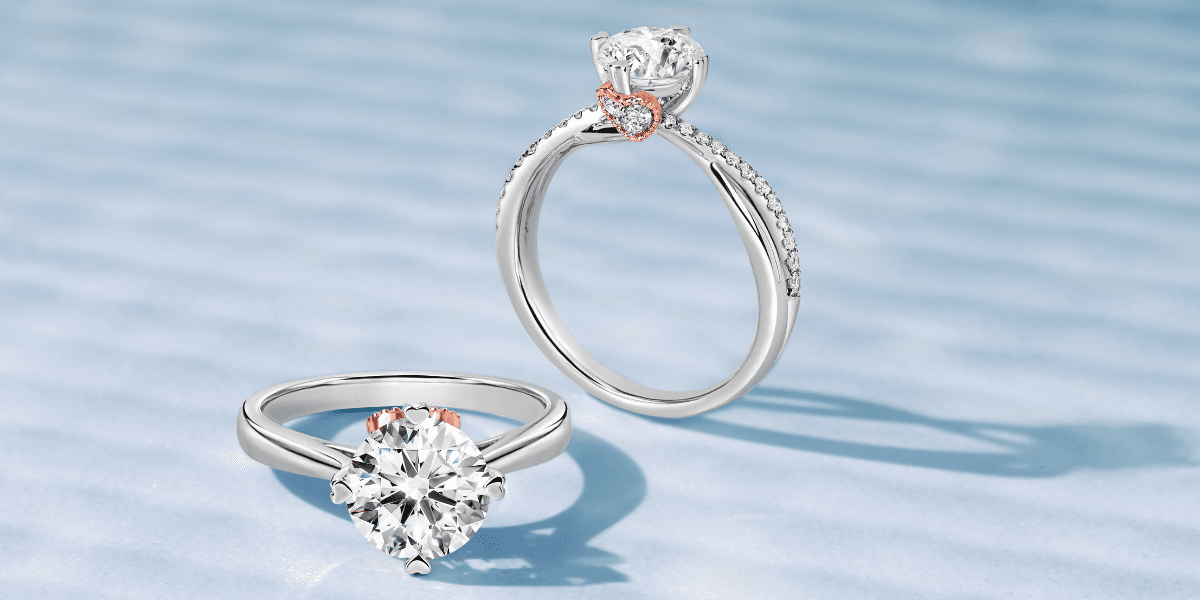


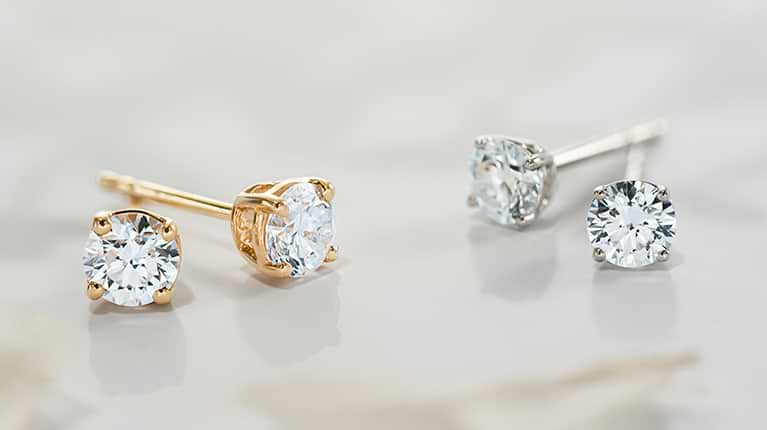
The debate around lab grown diamond vs real diamond has intensified over the past decade as more people seek clarity about their origins, value, and environmental impact. At the same time, interest in lab made diamonds has surged, driven by buyers who want beauty and durability without concerns associated with traditional mining. To understand the differences, it helps to look beyond marketing terms and explore how each type of stone is formed, what distinguishes them, and why consumers are drawn to one or the other.
What Sets lab grown diamond vs real diamond Apart?
When comparing lab grown diamond vs real diamond, the core distinction lies in their origin. Natural diamonds are formed over billions of years deep within the earth under intense heat and pressure. By contrast, laboratory-created stones are formed using sophisticated technology that replicates the same natural conditions in a controlled environment. Both share the same chemical composition—pure carbon arranged in a crystalline structure—and they also score a 10 on the Mohs hardness scale, making them equally suitable for everyday wear.
Yet the differences in how they come to exist influence how people perceive them. Natural diamonds often evoke a sense of rarity and history, while lab made diamonds appeal to those who value innovation, ethical sourcing, and predictable quality. Though visually identical, their stories diverge, and that narrative shapes their place in the modern jewelry market.
How lab made diamonds Are Created
Before considering price or aesthetics, it’s worth understanding the science behind lab made diamonds. Two main methods are used: HPHT (High Pressure High Temperature) and CVD (Chemical Vapor Deposition). HPHT mimics the natural diamond-forming process by subjecting carbon to extreme pressure and heat. CVD, on the other hand, builds the diamond layer by layer in a chamber filled with carbon-rich gas. Both techniques yield genuine diamonds with the same physical and optical properties as those formed in nature.
Manufacturers can fine-tune conditions to minimize inclusions, often resulting in stones with remarkable clarity. This reliability has made these diamonds attractive not only to jewelry buyers but also to industries that rely on strong, conductive materials.
In examining durability, brilliance, and color, another truth emerges in the lab grown diamond vs real diamond conversation: most buyers cannot tell them apart without specialized equipment. Jewelers often need advanced tools to determine origin, as both types refract light in the same way and share identical optical signatures.
Switching focus to market perception, buyers increasingly recognize lab made diamonds as legitimate alternatives, especially when they offer larger stones at accessible prices. While some still prefer natural diamonds for their rarity, the stigma surrounding lab-created options continues to fade.
Another angle of the lab grown diamond vs real diamond comparison involves environmental and ethical considerations. Mining can involve land disruption and long supply chains, whereas laboratory production is more contained and predictable. This difference matters to buyers who prioritize sustainability or wish to avoid potential conflicts linked to mined stones. The steady rise of younger consumers choosing lab made diamonds has reinforced this shift, signaling a generational rethinking of value and tradition.
Financial considerations also play an important role. On average, lab made diamonds cost significantly less than natural stones of comparable size and quality. This price difference does not reflect a compromise in beauty or durability but rather the efficiency of modern production. While natural diamonds may hold value due to rarity, buyers focused on personal enjoyment rather than future resale often find the lab-created route more appealing.
Ultimately, the lab grown diamond vs real diamond decision comes down to personal priorities. Some cherish the geological history encased in a natural stone, while others prefer the transparency, affordability, and technological elegance of a lab-created one. Both choices offer timeless sparkle and structural integrity, making either a worthy investment for an engagement ring, anniversary gift, or personal collection.
In closing, the growing popularity of lab made diamonds reflects a broader change in how people define luxury and meaning. Whether guided by ethics, budget, aesthetics, or sentiment, buyers now have more options than ever before. By understanding the nuances of lab grown diamond vs real diamond, anyone can make a confident, informed decision—and choose the stone that truly resonates with them.