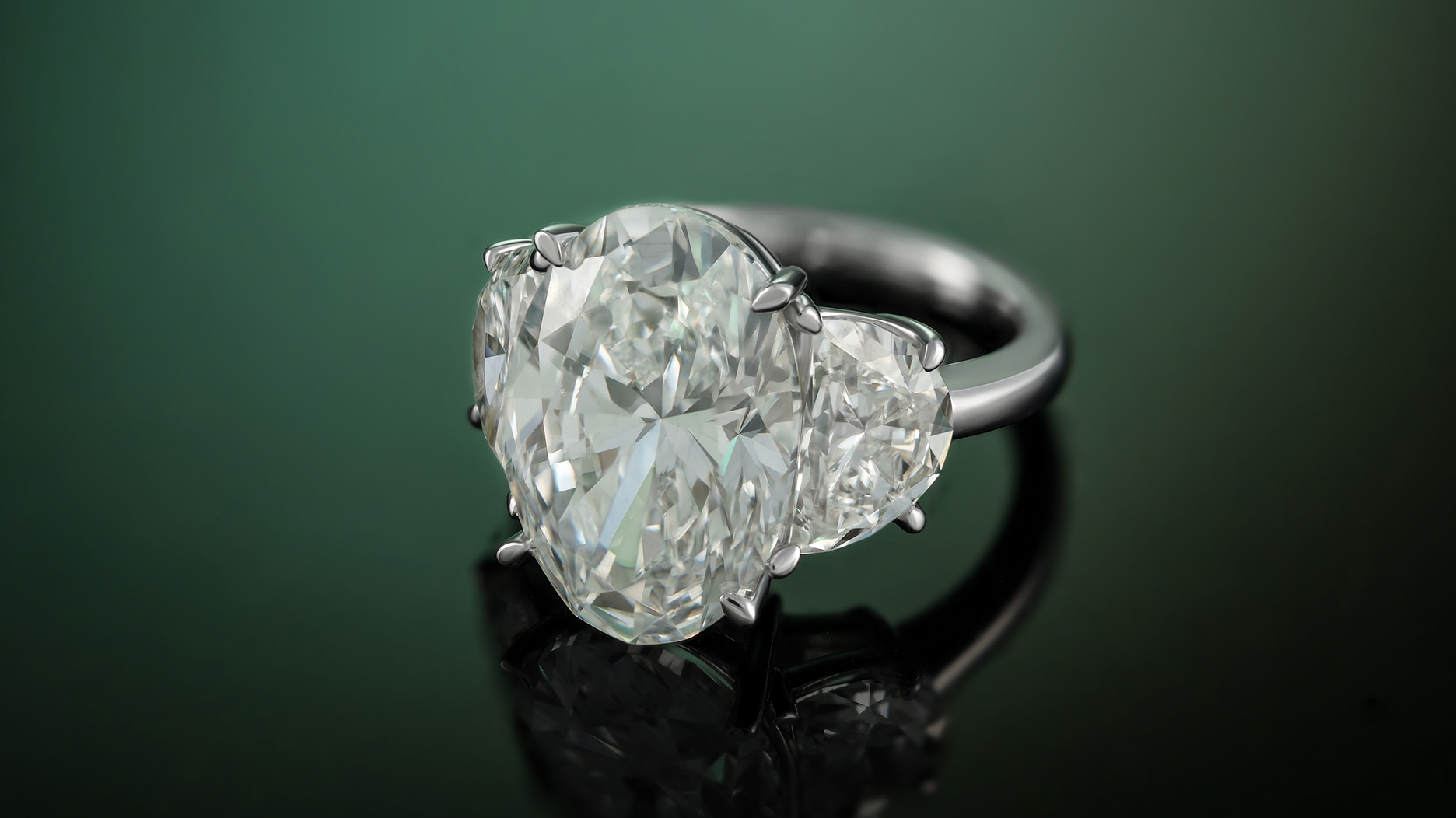



You’d be surprised how often I hear the same question, standing behind the counter at our little jewellery studio in Melbourne:
“Should I go for platinum or gold for my lab diamond ring?”
It’s a fair question — and not an easy one to answer without knowing the person behind it. Because truthfully, the right choice isn’t just about metal. It’s about lifestyle, values, and even personality.
Over the years, I’ve helped people choose rings for engagements, anniversaries, or sometimes, just because they felt like treating themselves. And I’ve noticed that while trends change — rose gold one year, platinum the next — what really matters is how the piece feels when it’s yours.
So, let’s unpack this properly. If you’ve been looking into lab diamond rings platinum vs gold, I’ll walk you through the real-world differences — not just the textbook stuff you’ll find in brochures.
The Allure of Lab Diamonds: Why They’ve Changed the Game
First, a quick note on the diamonds themselves.
The world’s attitude towards luxury has shifted. These days, more Australians are choosing man made diamonds — and honestly, I can see why. They’re real diamonds (chemically, optically, and structurally identical to mined ones), but they come without the ethical baggage or environmental toll.
When I first learned about how these gems are created — grown under precise conditions using advanced technology — I was fascinated. It’s like science meeting art. What used to take nature billions of years can now be done in a few weeks, without disturbing a single patch of earth.
If you’re curious to learn more about the technology behind them, you might want to have a look at this article about man made diamonds. It dives into the innovation and ethics that have made them so popular worldwide.
Now, once you’ve decided on a lab diamond, the next big decision is what holds it — platinum or gold. That’s where things get interesting.
Platinum: The Cool, Confident Classic
There’s something quietly powerful about platinum. It’s understated, rare, and feels incredibly solid when you hold it. As a jeweller, I can always tell when someone tries on a platinum ring for the first time — their eyes widen a little at the weight.
Platinum is naturally white and won’t fade or tarnish over time. It develops what we call a patina — a soft sheen that gives it a slightly antique look. Some people love it; others prefer to have it polished back to its original shine every few years. Either way, it’s part of the metal’s character.
Durability-wise, platinum is a tank. It’s denser and heavier than gold, meaning it holds gemstones more securely. If you’re the kind of person who’s hands-on, works with tools, or just wants something that’ll last a lifetime without much fuss, platinum might be your best friend.
But it does come with a few trade-offs.
- It’s more expensive — not drastically, but enough to notice.
- It can scratch, though the metal isn’t lost (it just displaces, unlike gold).
- It’s harder to resize or repair, so you’ll want to get the fit right from the start.
Still, for many, platinum’s strength and natural whiteness make it worth every cent.
Gold: The Warm, Versatile Favourite
Now, let’s talk about gold — because honestly, there’s a reason it never goes out of style.
Gold has this timeless warmth to it. Whether it’s classic yellow, romantic rose, or sleek white, it carries a sense of tradition and comfort. You’ll find gold rings on everyone from your grandmother to modern influencers — and that’s the beauty of it.
When we talk about lab diamond rings platinum vs gold, the biggest decision within “gold” is actually which gold.
Yellow Gold: The traditionalist’s choice. It’s buttery, nostalgic, and pairs beautifully with vintage or minimalist settings.
Rose Gold: A bit more playful and modern, with a blush tone that flatters most skin tones.
White Gold: The cool-toned rival to platinum — and often mistaken for it. White gold is actually yellow gold mixed with alloys (like nickel or palladium) and plated with rhodium for that bright white shine.
The key thing to remember is that rhodium plating wears off over time. Every couple of years, you’ll need to have it re-plated to restore that crisp colour. It’s not a huge deal — think of it like servicing your car — but it’s something to factor in.
Gold is softer than platinum, so it can show wear a bit more easily. On the plus side, it’s lighter, easier to work with, and usually more affordable.
Platinum vs Gold: What Really Matters for You
Let’s put it simply — if you’re comparing lab diamond rings platinum vs gold, here’s what it often comes down to:
| Feature | Platinum | Gold |
|---|---|---|
| Colour | Naturally white | Varies (yellow, rose, white) |
| Durability | Very strong, dense | Softer, easier to polish |
| Maintenance | Low; develops patina | Needs re-plating (for white gold) |
| Cost | Higher | More affordable |
| Feel | Heavier, luxurious | Lighter, traditional |
But beyond the specs, think about how you live.
If you’re outdoorsy, active, or just prefer a ring that feels solid and enduring, go with platinum. It’s a forever metal.
If you’re drawn to colour, heritage, or like the idea of something that evolves a little over time — gold might feel more personal.
Honestly, I’ve seen couples where one chooses platinum for practicality and the other picks rose gold for charm — and both are equally right.
The Emotional Side of Choosing
Here’s something I’ve learned after years of helping people find “the one”: it’s rarely a logical decision.
A ring is deeply emotional. It’s not just about metal and stone; it’s about meaning. Sometimes someone will walk in absolutely set on platinum, then fall in love with the warmth of yellow gold. Other times, a bride-to-be will cry the moment she tries on her ring because it “just feels right.”
That’s why I always say — let your heart have a say. The numbers and facts matter, yes, but they’re only half the story.
What About Sustainability?
This is another big reason lab-grown diamonds and ethical metals are taking over the industry.
Platinum and gold can both be recycled — and more jewellers are offering recycled options now. Pair that with a lab-grown diamond, and you’ve got a ring that’s beautiful and responsible.
For many Australians, that combination hits the sweet spot between luxury and conscience. You get a piece that looks and feels extraordinary, without the heavy footprint.
If you want to dive a bit deeper into how the two metals compare, the folks at Novita Diamonds have a really insightful guide on lab diamond rings platinum vs gold. It’s worth a read before you make your decision.
A Few Insider Tips
Just before you go ring shopping, here are a few nuggets from someone who’s spent far too long polishing both metals:
- Try them on in person. Photos never capture how metals reflect your skin tone or how they feel in your hand.
- Ask about aftercare. A good jeweller will offer complimentary cleaning or rhodium re-plating.
- Think long-term. Engagement rings are worn daily — so consider how the metal ages, not just how it looks on day one.
- Mixing metals is okay. Some couples combine platinum and gold bands — and honestly, it can look stunning.
A Final Thought
At the end of the day, whether you choose platinum or gold, lab-grown or mined, the ring you wear is a reflection of your story.
For me, as someone who’s seen thousands of rings cross the counter, the most beautiful ones aren’t necessarily the biggest or most expensive. They’re the ones that carry meaning — the nervous smiles when someone picks it up, the soft “wow” when the light hits just right, the quiet knowledge that this little circle of metal is about to symbolise something massive.
So, when you’re deciding between lab diamond rings platinum vs gold, remember: you’re not just buying jewellery. You’re creating an heirloom — one that says a little something about who you are, and what you value.